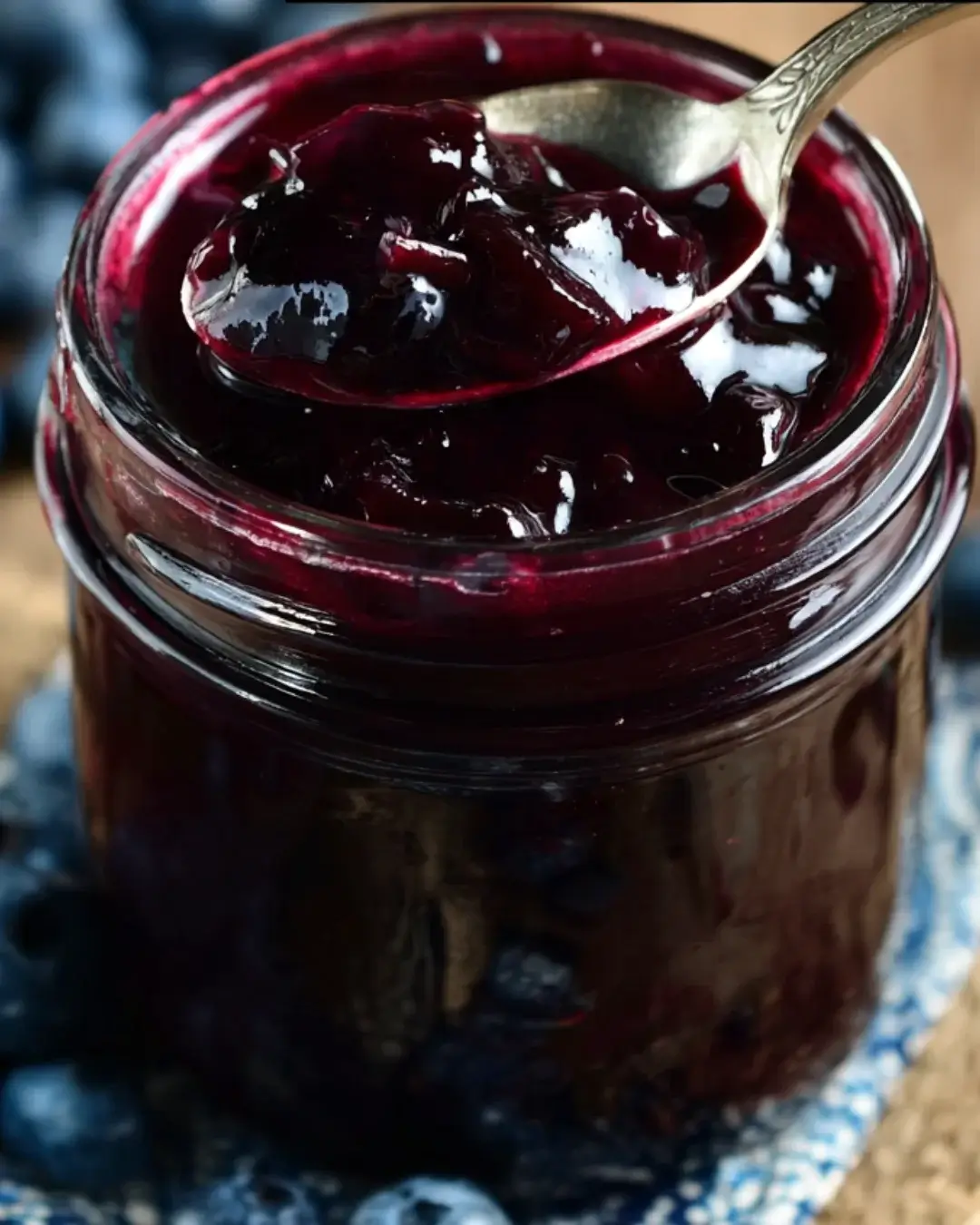
Whip Up Easy Homemade Blueberry Jam in 20 Minutes: Your 4-Ingredient Recipe for Summer Flavor
There's nothing quite like the taste of summer berries, bursting with sweet, tangy goodness. Imagine capturing that vibrant essence and enjoying it all year long, effortlessly. With this incredibly simple 4-ingredient recipe, you can make luscious
homemade blueberry jam in as little as 20 minutes, bringing the sunshine of blueberry season right to your breakfast table or dessert plate. Forget about complex canning processes or spending hours over a hot stove; this method is designed for speed, freshness, and unbeatable flavor.
Making your own jam is not just a culinary task; it's a delightful experience that yields a product far superior to anything you'll find in a grocery store. It's about taking control of your ingredients, reducing unnecessary additives, and savoring the pure, unadulterated taste of perfectly ripened fruit. Whether you're new to preserving or a seasoned pro looking for a quick win, this easy blueberry jam recipe is about to become your new favorite.
Why Make Homemade Blueberry Jam? The Fresher, Healthier Choice
The decision to make your own
homemade blueberry jam is often driven by a desire for better taste and healthier ingredients. Here’s why stepping into your kitchen to whip up a batch is a choice you won't regret:
*
Unrivaled Freshness and Flavor: Store-bought jams, while convenient, often contain high fructose corn syrup, artificial flavors, and excessive amounts of sugar that can mask the natural fruit taste. When you make jam at home, especially with just-ripe blueberries, the resulting flavor is incredibly vibrant, fresh, and deeply fruity – a stark contrast to its commercial counterparts. You taste the blueberries, pure and simple.
*
Complete Ingredient Control: One of the biggest advantages of homemade anything is knowing exactly what goes into it. Our recipe avoids unwelcome additives, artificial preservatives, and obscure ingredients. You choose the quality of your fruit, the type of sugar, and the natural aids like lemon juice and pectin. This transparency gives you peace of mind and allows you to tailor the jam to your dietary preferences.
*
Healthier Sugar Content: Many commercial jams are sugar bombs. This recipe allows you to reduce the added sugar significantly, often by 25% or more, without compromising the jam's set or flavor. By using liquid pectin, which works efficiently even with lower sugar content, you can create a healthier spread that’s still deliciously sweet.
*
Customization Galore: While this recipe is fantastic on its own, it’s also a perfect canvas for culinary creativity. Want a hint of spice? Add a pinch of cinnamon or cardamom. A touch of citrus? A little lemon zest goes a long way. The ability to personalize your jam means endless delicious possibilities.
For more insights into the benefits, explore our detailed article:
Homemade Blueberry Jam: Fresher, Healthier, Better Than Store-Bought.
The 4 Essential Ingredients for Perfect Homemade Blueberry Jam
Creating exceptional
homemade blueberry jam doesn't require a pantry full of exotic items. In fact, it only takes four simple ingredients, each playing a crucial role in achieving that perfect balance of flavor, texture, and preservation.
1.
Blueberries: The Star of the Show
*
Fresh vs. Frozen: For the absolute best results, aim for "just ripe" or "ripe" fresh blueberries. These berries offer the ideal balance of sweetness and acidity, along with the right tannins to create a complex flavor profile. Overly ripe berries can develop leathery skins that affect the jam's smooth texture.
*
Tip for Fresh: Look for firm, plump berries with a dusty bloom on their surface. Avoid soft, shriveled, or moldy berries.
*
Using Frozen: Don't have fresh? Thawed frozen blueberries work perfectly well. Just be sure to drain any excess liquid after thawing to prevent a watery jam.
2.
Sugar: Sweetness and Structure
*
Granulated White Sugar: This is the preferred choice for a classic blueberry jam. It sweetens the berries without introducing any additional flavors, allowing the pure taste of the blueberries to shine through.
*
Alternatives: While granulated sugar is recommended for consistency, you can experiment with unrefined coconut sugar or date sugar for a slightly different flavor and color profile. Be aware that these alternatives might impart their own distinct tastes and could alter the final hue of your jam.
*
Role in Jam: Beyond sweetness, sugar plays a vital role in preserving the fruit and contributing to the jam's texture and viscosity.
3.
Lemon Juice: Brightness and Boost
*
Fresh or Bottled: Either fresh-squeezed or good quality bottled lemon juice will work.
*
Multi-Purpose Marvel: Lemon juice is a powerhouse ingredient in jam making. It provides a crucial acidic counterpoint to the sweetness of the blueberries, brightening their flavor. More importantly, it helps to activate and boost the natural pectin content in the fruit, aiding in a proper set. Lastly, its acidity acts as a natural preservative, contributing to the jam's shelf stability.
*
For Extra Zing: Don't discard that lemon! A bit of finely grated lemon zest can add an extra layer of fragrant, citrusy zing to your finished jam.
4.
Pectin: The Setting Agent
*
What is Pectin? Pectin is a naturally occurring starch found in fruits that helps jams and jellies set. While blueberries do contain some natural pectin, this recipe, especially with reduced sugar, benefits from the addition of commercial fruit pectin to guarantee a consistently thick and firm set.
*
Liquid Pectin: This recipe specifically calls for liquid pectin. It’s added at a different stage than powdered pectin, ensuring proper activation and a reliable set in just minutes.
*
Why Use It? Using commercial pectin ensures your jam achieves that perfect spoonable, spreadable consistency every time. Without it, especially when reducing sugar, your jam might be softer, more like a sauce or syrup. Pectin doesn't extend shelf life, but it does perfect the texture.
Your Step-by-Step Guide to 20-Minute Homemade Blueberry Jam
Ready to transform those beautiful blueberries into a delectable jam? Follow these steps for a quick and rewarding culinary adventure.
Prepping for Success: Sterilizing Jars and Tools
Before you even touch the blueberries, thorough sterilization is key. This isn't just for long-term canning; it's essential for food safety and preventing spoilage, even for jam stored in the fridge or freezer.
*
Wash Thoroughly: Wash your canning jars (with their lids and bands) in hot, soapy water. Rinse them meticulously to remove any soap residue.
*
Sterilize: You have a few options for sterilization:
*
Boiling Water Bath: Submerge clean jars in a large pot of water, bring to a boil, and boil for at least 10 minutes. Keep them hot until ready to fill. If you're planning to process the jam, you'll prepare your canner now by adding its trivet/rack and filling it with enough water to cover your jars later.
*
Oven: Place clean jars (without lids) in a preheated 225°F (107°C) oven for 10-15 minutes.
*
Dishwasher: Run jars through a hot wash cycle, ensuring they remain hot until use.
*
Hot Lids: While jars are sterilizing, gently simmer the lids and bands in hot (not boiling) water to soften the sealing compound.
Preparing the Berries & Initial Mix
This is where the magic begins to happen!
*
Clean Blueberries: Wash your blueberries thoroughly under cool running water. Carefully pick through them, discarding any that are spoiled, bruised, or blemished.
*
Combine Ingredients: Transfer the cleaned blueberries to a large, deep, stainless-steel saucepan. Stainless steel is preferred as it won't react with the acidic fruit. Add the granulated sugar and fresh or bottled lemon juice to the saucepan.
*
Crush for Texture: Using a potato masher, a sturdy fork, or even a pastry blender, gently crush the blueberries. How much you crush is entirely up to your preference – for a chunkier jam, leave some berries whole or just lightly mashed. For a smoother jam, mash more thoroughly.
The Quick Cook & Pectin Magic
This is the "20-minute" part of the process, where everything comes together rapidly.
*
Bring to a Boil: Place your saucepan over high heat and bring the blueberry mixture to a full, rolling boil. This means the mixture is boiling vigorously and cannot be stirred down. Stir constantly to prevent sticking and burning.
*
Add Pectin: Once you reach a full rolling boil, stir in the liquid pectin. Continue stirring vigorously over the hard boil for exactly one minute. It’s crucial to maintain that rolling boil for the entire minute to ensure the pectin activates properly.
*
Remove from Heat: After one minute of hard boiling, immediately remove the saucepan from the heat.
Finishing Touches & Jarring Up
Almost done! Careful handling of hot jam and jars is paramount.
*
Skim Foam: A layer of foam may form on top of the jam during cooking. Gently skim this off with a spoon; it won't affect the taste but can make the jam look cloudy.
*
Ladle into Jars: Carefully ladle the hot jam into your hot, sterilized jars, leaving approximately ¼ inch (0.5 cm) of headspace from the rim.
*
Remove Air Bubbles: Gently tap each jar against your kitchen counter or slide a clean, non-metallic utensil (like a chopstick or thin rubber spatula) down the sides of the jar to release any trapped air bubbles. Add a little more jam if needed to maintain the ¼ inch headspace.
*
Clean Rims: Wipe the jar rims thoroughly with a clean, damp cloth to remove any jam residue. This ensures a proper seal if you're canning.
*
Seal: Place the clean lids on the jars and screw on the bands until finger-tight.
Storing Your Homemade Blueberry Jam: Fridge, Freezer, or Pantry?
One of the great joys of making
homemade blueberry jam is the flexibility in how you store it, allowing you to enjoy your efforts for weeks, months, or even a full year!
*
Refrigerator Storage: For immediate enjoyment or shorter-term storage (up to 3-4 weeks), simply let the sealed jars cool to room temperature, then transfer them to the refrigerator. This is the easiest method and perfect for small batches.
*
Freezer Storage: If you want to preserve your jam for several months (up to 6-9 months) without canning, freezing is an excellent option. Ensure your jars are freezer-safe (often straight-sided jars are best to prevent cracking as the jam expands). Leave a bit more headspace (about ½ inch) when filling. Once cooled, place the sealed jars in the freezer. Thaw in the refrigerator when ready to use.
*
Water Bath Canning for Shelf Stability: For truly long-term, pantry-stable storage (up to one year!), water bath canning is the way to go. This process creates a vacuum seal that prevents spoilage at room temperature. After filling your hot jars, place them in a boiling water bath canner, ensuring they are submerged by at least an inch of water. Process for the recommended time (typically 10-15 minutes, depending on altitude and jar size), then carefully remove and let cool. A proper seal will be indicated by a lid that is concave and doesn't flex when pressed. For comprehensive instructions on this method, refer to:
Preserve Summer Flavor: Healthy Homemade Blueberry Jam Canning Guide.
Serving Suggestions & Creative Uses
Your delicious
homemade blueberry jam isn't just for toast (though it's divine there!). Here are some ideas to inspire you:
* Swirl it into oatmeal, yogurt, or cottage cheese.
* Dollop it over pancakes, waffles, or French toast.
* Use it as a filling for tarts, pastries, or thumbprint cookies.
* Spoon it over vanilla ice cream or panna cotta.
* Pair it with soft cheeses on a charcuterie board.
* Whisk it into a vinaigrette for a fruity salad dressing.
* Warm it slightly and use as a glaze for chicken or pork.
Troubleshooting & Tips for Success
*
Jam Not Setting? Ensure you used the correct amount of pectin and brought the mixture to a *full rolling boil* that couldn't be stirred down, maintaining it for the full minute after adding pectin. Insufficient boiling time or a too-gentle boil are common culprits.
*
Too Foamy? A small pat of butter added to the jam mixture at the beginning of cooking can often reduce foam, or simply skim it off as directed.
*
Adjusting Sweetness: While the recipe provides an ideal balance, feel free to slightly adjust sugar to your taste. Remember, less sugar might result in a softer set if you’re relying solely on natural pectin without added commercial pectin.
*
Experiment with Flavors: Try adding a few drops of vanilla extract after removing from heat, a pinch of ground ginger, or a sprig of fresh rosemary during cooking (removed before jarring) for unique twists.
Conclusion
There you have it – a truly simple, quick, and rewarding path to making exquisite
homemade blueberry jam. In just 20 minutes of active preparation, you can capture the essence of summer blueberries, free from artificial additives, and bursting with fresh, vibrant flavor. This recipe empowers you to enjoy healthier, tastier spreads all year round, whether from your fridge, freezer, or pantry. So, grab those beautiful blueberries, gather your few ingredients, and prepare to delight your taste buds with a truly homemade treat. The satisfaction of spreading your own handcrafted jam is an unparalleled joy!